




Enabling new features with edge AI
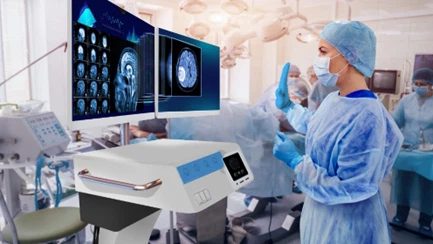
The next generation of HMI designs will rely on edge artificial intelligence (AI) to enable new functionality. For example, machine vision can enable controlled access to machines through facial recognition or touchless operation through gesture recognition, as shown in Figure 1. In addition, adding edge AI capabilities, such as machine vision, to an HMI design allows for more accurate analysis of current system status and predictive maintenance. The workload of edge AI application development and the capabilities of the processor need to be considered when creating a completely new HMI application.
Balancing performance and power consumption
A high level of integration on a single chip can impact device power consumption, especially if the edge AI functionality is fully enabled. Smaller designs often require small form factors, especially in harsh environments, which can complicate the power design of the final product. Designers must overcome the challenge of creating high efficacy designs while considering both thermal constraints and not increasing overall system cost. Low-power designs should include ultra-low power and multiple low-power modes to extend product life.
Integrated smart connectivity and differentiated display support
The growing number of field devices and sensors and emerging real-time industrial communication protocols are creating challenges for new HMI applications. For example, HMIs in smart factory environments need to communicate with other devices and machines, which means that HMI designs need to have connectivity and control capabilities. Display is not only another consideration in designing HMIs, but also provides unique functionality and a way to enhance human-machine communication.
