


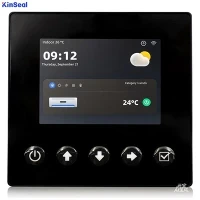


In the realm of modern manufacturing, the integration of human-machine interface (HMI) technology into computer numerical control (CNC) machine tools has revolutionized the way we interact with and control these sophisticated equipment. HMIs serve as the intermediary bridge between operators and machines, offering intuitive controls, real-time monitoring, and enhanced efficiency. Let's delve into how this innovative technology is reshaping the landscape of CNC machining.
First and foremost, HMIs streamline the operation of CNC machine tools by providing user-friendly interfaces. Gone are the days of complex command-line inputs and intricate programming codes. With intuitive touchscreens and graphical interfaces, operators can easily program machining parameters, set tool paths, and adjust settings with simple gestures. This simplification not only reduces the learning curve for operators but also enhances productivity by minimizing the time spent on manual programming tasks.
Moreover, HMIs offer comprehensive monitoring and diagnostic capabilities, empowering operators to oversee the machining process in real-time. Through dynamic visualizations and status indicators, operators can monitor crucial parameters such as spindle speed, feed rate, and tool wear, allowing for timely adjustments and preventive maintenance. Additionally, advanced HMIs can integrate with sensors and data analytics tools to provide predictive maintenance insights, preemptively addressing potential issues before they escalate into costly downtime.
Furthermore, HMIs facilitate seamless connectivity and integration within smart manufacturing ecosystems. By leveraging Industry 4.0 principles, CNC machine tools equipped with HMIs can communicate with other machines, enterprise systems, and even cloud-based platforms. This interconnectedness enables data exchange, production scheduling optimization, and remote monitoring, fostering a more agile and responsive manufacturing environment. Operators can remotely access machine status, track production metrics, and collaborate with stakeholders across different locations, thereby optimizing resource utilization and improving overall operational efficiency.
In addition to operational benefits, HMIs contribute to enhanced safety and ergonomics in CNC machining environments. Intuitive interfaces reduce the likelihood of human errors, mitigating risks associated with manual operation and programming mistakes.
Furthermore, ergonomic design considerations, such as adjustable screen angles and ergonomic control layouts, promote operator comfort and reduce fatigue during prolonged machining tasks. By prioritizing safety and ergonomics, HMIs contribute to a safer work environment and uphold the well-being of machine operators.
In conclusion, the integration of human-machine interface technology into CNC machine tools represents a significant advancement in manufacturing automation. By offering intuitive controls, real-time monitoring, connectivity, and safety features, HMIs empower operators to unleash the full potential of CNC machining capabilities. As the manufacturing landscape continues to evolve, HMIs will remain at the forefront of innovation, driving efficiency, productivity, and competitiveness in the CNC machining industry.