


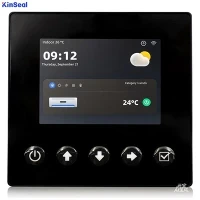


With the continuous advancement of industrial automation technology, human-machine interface (HMI) systems have become a vital bridge connecting operators with machinery. HMI systems not only enhance production efficiency but also improve operational safety and flexibility.
Definition of Human-Machine Interface (HMI) Systems
A Human-Machine Interface (HMI) system is an interface used to control and monitor industrial processes, enabling operators to interact with machinery. Typically, an HMI system comprises one or more display screens, input devices (such as touchscreens, keyboards, or mice), and software designed to display and regulate the status and parameters of machinery.
Functions of HMI Systems
- Data Monitoring: HMI systems provide real-time displays of machinery operating conditions, including critical parameters like temperature, pressure, and speed.
- Control Operations: Operators can input commands through the HMI system to control machine functions like start/stop, speed adjustment, and more.
- Alarms and Notifications: When machine anomalies occur, the HMI system triggers alarms to alert operators for corrective action.
- Data Logging and Analysis: The HMI system records machine operational data, providing a foundation for subsequent data analysis and optimization.
- User Interface Customization: Based on varying operational requirements, the HMI system can customize different user interfaces to enhance operational convenience.
Advantages of HMI Systems in Industrial Automation
- Enhanced Production Efficiency: HMI systems reduce operator intervention time through intuitive interfaces and rapid response, boosting production efficiency.
- Improved Safety: HMI systems enable real-time monitoring of machine status, promptly identifying and addressing potential safety issues to minimize accident risks.
- Lower Maintenance Costs: Data logging and analysis capabilities allow more accurate prediction of machine maintenance needs, reducing unnecessary maintenance expenses.
- Enhanced Operational Flexibility: HMI systems enable remote operation and monitoring, allowing operators to control machinery from different locations and increasing operational flexibility.
- Facilitated Technology Upgrades: As HMI technology evolves, industrial automation systems can more easily integrate new technologies and functions, maintaining technological advancement.
Applications of HMI Systems Across Various Industrial Sectors
- Manufacturing: In manufacturing, HMI systems monitor production line operations, adjust production parameters, and enhance product quality and production efficiency.
- Energy Sector: Within the energy sector, HMI systems monitor and control critical facilities such as power plants and transmission networks, ensuring stable and secure energy supply.
- Food and Beverage Industry: In the food and beverage sector, HMI systems monitor production processes to ensure food safety and quality control.
- Chemical Industry: Within the chemical industry, HMI systems oversee chemical reaction processes to guarantee production safety and efficiency.
Challenges Facing HMI Systems
- Cybersecurity Concerns: As industrial automation systems become increasingly networked, HMI systems face growing cybersecurity threats such as hacking attacks and data breaches.
- Technological Upgrades: Rapid technological advancements necessitate continuous updates to HMI systems to meet evolving industrial demands and technical standards.
- User Training: As HMI functionality expands, operators require enhanced training to fully leverage system capabilities.
- System Integration: In multi-device, multi-system industrial environments, HMI systems must integrate with diverse equipment and systems, potentially introducing technical compatibility and integration cost challenges.
Conclusion
HMI systems are increasingly prevalent in industrial automation, enhancing production efficiency and safety while delivering greater flexibility and scalability. However, advancing technology and deeper applications present challenges like cybersecurity vulnerabilities and technological obsolescence. Looking ahead, the integration of emerging technologies such as artificial intelligence and the Internet of Things promises to enable smarter, more automated HMI operations, driving transformative change in industrial automation.