


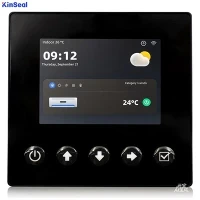


In the realm of modern living, the integration of Human-Machine Interface (HMI) technology into household devices has revolutionized the way we interact with our surroundings. From smart thermostats to voice-controlled assistants, HMI has become ubiquitous in our homes, offering convenience, efficiency, and enhanced user experiences.
One of the most notable applications of HMI in household devices is the smart home ecosystem. Through intuitive interfaces like touchscreen panels or smartphone apps, homeowners can effortlessly control various aspects of their environment, including lighting, temperature, security systems, and entertainment devices. With a simple tap or voice command, individuals can adjust settings, monitor energy usage, and even receive alerts about potential issues, thereby fostering a more connected and responsive living space.
Moreover, HMI has greatly improved accessibility for individuals with disabilities or special needs. Voice recognition technology, for instance, enables hands-free operation of appliances and devices, empowering users with mobility impairments to independently manage their homes. Similarly, tactile interfaces with braille displays cater to visually impaired individuals, offering tactile feedback and facilitating seamless interaction with electronic devices.
Furthermore, the integration of HMI in household devices has led to advancements in energy efficiency and resource management. Smart meters equipped with user-friendly interfaces allow homeowners to track their energy consumption in real-time, identify energy-intensive appliances, and implement strategies to reduce waste. Additionally, intelligent algorithms embedded within smart devices can analyze usage patterns and automatically optimize settings for maximum efficiency, thereby contributing to energy conservation and cost savings.
In the realm of entertainment and leisure, HMI technology has transformed the way we engage with multimedia content. Voice-activated smart speakers and virtual assistants provide personalized recommendations, streamlining the search for music, movies, or TV shows. Furthermore, interactive interfaces integrated into gaming consoles or smart TVs offer immersive experiences, blurring the lines between virtual and physical environments, and enhancing user engagement.
However, as we embrace the benefits of HMI in our homes, it is imperative to address concerns regarding privacy and data security. With the proliferation of interconnected devices, safeguarding personal information and ensuring secure communication channels are paramount. Manufacturers must implement robust encryption protocols, authentication mechanisms, and privacy controls to mitigate potential risks and protect user privacy.
In conclusion, the incorporation of Human-Machine Interface technology into household devices has redefined the way we interact with our living spaces. From enhancing convenience and accessibility to promoting energy efficiency and entertainment, HMI has become an indispensable component of modern home environments. By leveraging innovative interfaces and intelligent algorithms, we can create homes that are not only smarter and more efficient but also more responsive to the needs and preferences of their inhabitants.