


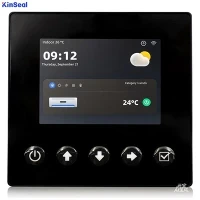


Fieldbus technology is a communication technology used in industrial automation control systems. By connecting field devices to a shared communication network, it enables data exchange and control between devices. Fieldbus technology possesses numerous characteristics and advantages. This article will provide a detailed introduction to the features and benefits of fieldbus technology.
I. Characteristics of Fieldbus Technology
1. Real-time Capability: Fieldbus technology exhibits strong real-time performance, enabling real-time monitoring and control of field devices. Its real-time response reaches millisecond or even microsecond levels, meeting the real-time requirements of industrial automation control systems.
2. Reliability: Fieldbus technology exhibits strong interference resistance and fault tolerance, ensuring stable operation in harsh environments. Its reliability is primarily reflected in stable data transmission and seamless interoperability between devices.
3. Openness: Fieldbus technology employs open communication protocols, supporting diverse device connectivity with excellent compatibility. This openness allows users to freely select equipment and system integrators, reducing overall system costs.
4. Flexibility: Fieldbus technology offers high adaptability, enabling flexible system configuration and expansion based on actual needs. Its flexibility manifests in scaling device quantities, extending functionalities, and upgrading systems.
5. Simplified Wiring: Fieldbus technology utilizes a unified communication network, significantly reducing wiring for field devices. This lowers system costs and maintenance complexity. Its simplified wiring feature facilitates easier system design and installation for users.
II. Advantages of Fieldbus Technology
1. Enhanced Production Efficiency: Fieldbus technology enables real-time monitoring and control of field devices, increasing automation levels in production processes and thereby boosting efficiency.
2. Reduced System Costs: By utilizing a unified communication network, fieldbus technology minimizes wiring between devices, lowering overall system expenses. Its openness and compatibility also reduce selection costs for system integrators.
3. Enhanced System Reliability: Fieldbus technology offers robust interference resistance and fault tolerance, ensuring stable operation in harsh environments and improving overall system reliability.
4. Simplified Maintenance and Management: Fieldbus technology enables remote monitoring and management of field devices, facilitating system maintenance and administration for users.
5. Stimulation of Technological Innovation: The development and application of fieldbus technology drive innovation in industrial automation control systems, creating new opportunities for advancement in the field.
In summary, fieldbus technology features real-time capability, reliability, openness, and flexibility, alongside advantages such as enhanced production efficiency, reduced system costs, improved system reliability, and simplified maintenance and management. As industrial automation technology continues to advance, the application of fieldbus technology in industrial automation control systems will become increasingly widespread, delivering higher efficiency and superior performance to industrial production.