


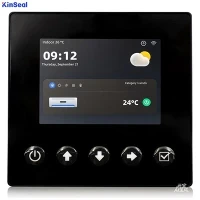


Programmable Logic Controllers (PLCs) used in industry have become comparable or close to the mainframe of a compact computer, and their advantages in terms of scalability and reliability have led to their use in a wide variety of industrial control applications. Whether in the computer direct control system or centralized decentralized control system DCS, or field bus control system FCS, there are always a large number of various types of PLC controllers.
The following are the precautions for the use of PLC:
1. Strictly follow the PLC installation and use instructions to ensure proper wiring and configuration.
2. select the appropriate PLC model and specification to ensure that it meets the requirements of the particular application.
3. Avoid using unauthorized software or tools to modify the PLC program to avoid system failure or data loss.
4. back up PLC programs and data regularly to prevent data loss due to unforeseen circumstances.
5. carry out system tests to ensure stability and reliability of the PLC before it is delivered for operation.
6. pay attention to maintenance and care during the use of PLC to ensure its normal operation.
7. pay attention to safety issues, when using the PLC, must comply with the relevant safety regulations.
8. in the PLC failure, timely detection and repair, to ensure its normal operation.
9. have an in-depth understanding of new PLC technologies to keep them up-to-date and developing.
10. Strictly comply with relevant laws and regulatory requirements to ensure that the use of PLC does not bring any harm and loss.
PLC maintenance is to ensure its normal operation without failure of the necessary measures, mainly including the following aspects:
1. regular cleaning: regular cleaning of PLC equipment can effectively avoid the accumulation of dust and other pollutants, as well as circuit board corrosion and other problems.
2. Regularly check the quality of the cable connection: the various components in the PLC equipment are connected by cables, so it is necessary to frequently check whether the cable connection is good, whether it is loose, and whether there is a short circuit and other problems.
3. Regularly replace the battery: The backup battery in the PLC device supports the storage of the PLC after a power failure, so check whether the battery needs to be replaced to avoid data loss due to battery aging.
4. Regularly check the PLC program: the program in the PLC device also needs to be checked frequently to ensure its correctness as well as no loopholes to avoid failures caused by unknown factors.
5. Backup data regularly: The data in the PLC device needs to be backed up regularly to avoid loss of data leading to huge losses.
6. Regular maintenance: If the PLC equipment malfunction, need to be dealt with in a timely manner, can not be resolved by themselves need to call a professional technician for maintenance.