


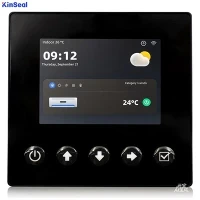


In the realm of factory automation, the integration of human-machine interfaces (HMIs) has emerged as a pivotal solution to enhance efficiency, productivity, and safety. HMIs serve as the intermediary between human operators and complex automated systems, facilitating seamless interaction and control. This synergy between humans and machines marks a transformative phase in industrial manufacturing, reshaping traditional workflows and optimizing operational processes.
One of the primary challenges in factory automation revolves around complexity and adaptability. Industrial environments often encompass diverse machinery and processes, necessitating a flexible interface capable of accommodating various tasks and scenarios. HMIs address this challenge by providing intuitive graphical representations of machinery status, production metrics, and control options. Through interactive displays and touchscreens, operators can effortlessly monitor operations, adjust parameters, and diagnose issues in real-time.
Furthermore, HMIs empower operators with advanced functionalities such as predictive maintenance and predictive analytics. By leveraging sensor data and machine learning algorithms, these interfaces can anticipate potential equipment failures or performance degradation, enabling proactive interventions to minimize downtime and optimize resource utilization. This predictive capability not only enhances operational efficiency but also extends the lifespan of critical assets, ensuring long-term sustainability in manufacturing operations.
Moreover, HMIs play a crucial role in ensuring workplace safety and ergonomic considerations. With intuitive interfaces and ergonomic designs, operators can interact with machinery and systems without compromising their well-being. Visual alerts, alarms, and safety protocols are integrated into the interface, providing real-time feedback and guidance to mitigate risks and prevent accidents. By prioritizing human factors in interface design, HMIs foster a safer and more conducive working environment for factory personnel.
The advent of Industry 4.0 and the Internet of Things (IoT) has further accelerated the evolution of HMIs, ushering in an era of interconnectedness and data-driven decision-making. Through seamless integration with IoT-enabled devices and cloud-based platforms, HMIs facilitate remote monitoring, data analytics, and collaborative workflows. This interconnected ecosystem enables stakeholders to access real-time insights and collaborate across distributed locations, fostering agility and resilience in the face of dynamic market demands.
In conclusion, human-machine interfaces represent a cornerstone of modern factory automation, bridging the gap between humans and machines to unlock new levels of efficiency, productivity, and safety. By harnessing intuitive design principles, predictive capabilities, and connectivity features, HMIs empower operators to navigate complex manufacturing environments with confidence and precision. As technology continues to advance, HMIs will continue to evolve, driving innovation and redefining the future of industrial manufacturing.