


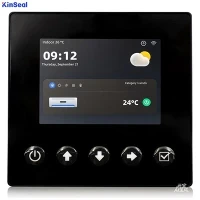


LCD mainly TFT, UFB, TFD, STN and other types of liquid crystal display, liquid crystal itself can not emit light, the main source of light from the backlight transmittance, to make the screen light and then display the contents of the screen, the brightness of the ordinary LCD screen is generally 500cd / ㎡, outdoor sunlight can be seen on the screen brightness needs to be 2000cd / ㎡, so outdoor use of the liquid crystal display screen Brightness is a basic requirement.
LED screen light source is composed of many small light-emitting diode modules, available in one or more different colors of a single light constitutes a basic pixel, so the brightness is relatively high, many used in outdoor display.
LCD general size is small and medium size, the demand for large area is difficult to realize seamless splicing, LED display can be extended arbitrarily, and can realize seamless splicing. But high brightness, high color brilliance also led to the LED screen excess light pollution, at present China's white bright pollution in the glass curtain wall has been relevant regulations, the artificial daytime and colored light pollution should also have relevant regulations. So the market afterward will also have restrictions. After all, there is harm to human eyes.
LED display in the market is currently only a preliminary stage to meet some of the needs of people. But in the LED display series of products can not meet the requirements. LED display products, the main advantage of high luminous efficiency, small power consumption, long life, the disadvantage is that the price is much higher than the technology has matured to LCD liquid crystal screen.
LCD liquid crystal screen bright than LED screen brightness is slightly less, but clarity and softness than the LED screen display effect is better. So according to their own needs as well as the cost can choose the right screen.