


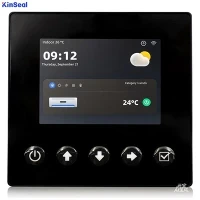


An industrial controller data acquisition platform is a system for collecting, processing and analyzing data from industrial controllers. Industrial controllers, such as Programmable Logic Controllers (PLCs), Distributed Control Systems (DCSs), and Supervisory Control and Data Acquisition (SCADA) systems, are key devices used to monitor and control industrial processes. Data acquisition platforms typically have the following functions for the application scenarios of these controllers:
1. Data collection: Collects data from industrial controllers, including process variables, equipment status, alarm information, operation records, etc. The data can be acquired through serial communication, network connection or fieldbus technology.
2. data processing: real-time processing of collected data, such as data normalization, outlier processing, data compression and encryption, to ensure data quality and security.
3. Data storage: Store the processed data in a centralized database to facilitate historical data query and trend analysis.
4. Data analysis: Use statistical analysis, machine learning and predictive analysis tools to perform in-depth analysis of stored data to optimize process flow, predict equipment failure, improve production efficiency, etc.
5. Data presentation: Provides visual interfaces such as charts, dashboards and dynamic curves to enable users to intuitively understand the current process status and historical data.
6. Remote Monitoring: Allows users to monitor industrial processes remotely via the Internet, keeping them informed of production conditions even when they are away from home.
7. Predictive Maintenance: Reduces downtime by analyzing equipment operation data in depth, predicting possible failures and scheduling preventive maintenance.
8. Decision support: Provide management with data-based decision support to help them better understand the production process and develop more effective production plans and resource allocation strategies.
Industrial controller data collection platforms help automate industry, improve productivity, optimize resource allocation, reduce operating costs and enhance equipment reliability. Through these platforms, companies can more effectively utilize the data they generate, translating it into tangible business advantages.