


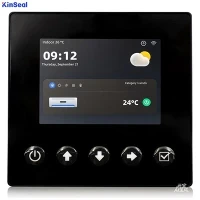


With the advent of the Industry 4.0 era, industrial automation has become a vital means to enhance production efficiency, reduce costs, and improve product quality. As one of the core devices in industrial automation control systems, PLCs (Programmable Logic Controllers) play a crucial role in automated production equipment management platforms. This article will explore in detail the primary functions of PLC-controlled automated production equipment management platforms.
1. Automated Control
The primary function of the PLC-controlled automated production equipment management platform is automated control. Through programmed instructions, PLCs precisely regulate mechanical and electrical equipment on production lines, enabling operations such as equipment start/stop, speed adjustment, and directional control. This not only elevates the automation level of production processes but also minimizes human-induced errors, resulting in more efficient and precise manufacturing.
2. Data Acquisition and Processing
The platform possesses robust data acquisition and processing capabilities. PLCs can collect real-time sensor data from the production line-such as temperature, pressure, and speed-and process and analyze this information. Through real-time data processing, managers gain immediate insight into equipment operational status, enabling monitoring and optimization of the production process to ensure stability and reliability.
3. Remote Monitoring and Control
The PLC-controlled automated production equipment management platform also offers remote monitoring and control capabilities. By connecting the PLC system to a cloud platform via the internet, managers can access equipment status and production data anytime, anywhere through computers or mobile devices. This not only enhances management efficiency but also enables rapid response and issue resolution during emergencies, minimizing production downtime.
4. Fault Early Warning and Maintenance
The platform automatically detects operational anomalies and issues alerts, enabling fault early warning. When equipment malfunctions or exhibits abnormalities, the PLC immediately triggers an alarm and transmits fault information to managers via the cloud platform. This allows staff to swiftly identify and address issues, minimizing production downtime and costs. Additionally, the platform supports remote maintenance capabilities, allowing engineers to remotely program, debug, and upload/download programs to the PLC, thereby improving maintenance efficiency.
5. Data Visualization and Analysis
The PLC-controlled automated production equipment management platform offers data visualization capabilities, presenting collected data through charts, reports, and other formats. This enables managers to intuitively understand equipment operation and production processes, facilitating decision-making and optimization. Simultaneously, the platform features data analysis functions. By analyzing historical data, it extracts various statistical indicators, trend analyses, and anomaly detection information, helping users understand equipment performance and predict potential failures.
6. Data Storage and Sharing
The platform stores collected data on cloud servers, providing reliable storage and backup. This eliminates the risk of data loss and allows users to query real-time or historical data at any time. Furthermore, the PLC-controlled automated production equipment management platform supports simultaneous multi-user access and data sharing, facilitating collaboration and cooperation between different departments and positions.
7. Highly Integrated Management
The PLC-controlled automated production equipment management platform achieves comprehensive monitoring and control of production processes through integration with other control systems (such as SCADA, DCS, EMS, etc.). Integrated management is realized via data exchange and communication interfaces between systems, enhancing the overall coordination and intelligence of the production system.
Conclusion
The PLC-controlled automated production equipment management platform delivers a highly efficient, reliable, and flexible industrial data management solution through its robust capabilities in automation control, data acquisition and processing, remote monitoring and control, fault prediction and maintenance, data visualization and analysis, data storage and sharing, and highly integrated management. These features not only boost production efficiency and reduce costs but also enhance product quality and corporate competitiveness, making it a vital driver for advancing industrial automation and intelligent development.