


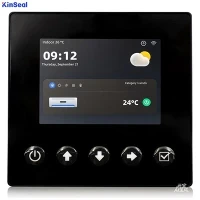


PLC controllers, or Programmable Logic Controllers, are electronic devices widely used in industrial automation. They offer high flexibility, reliability, and real-time performance, enabling automated control of various machinery and production processes.
I. Industrial Automation
1. Machinery Manufacturing
PLC controllers find extensive application in machinery manufacturing. They can control machine tool functions such as start, stop, speed, and direction, enabling precise machine tool operation. Additionally, PLCs can integrate with sensors, actuators, and other devices to achieve automated monitoring and adjustment of machine tools, thereby enhancing production efficiency and product quality.
2. Automotive Manufacturing
In automotive production, PLC controllers manage various assembly line processes including welding, painting, and assembly. PLC-based automation streamlines production line management, boosting efficiency while reducing labor costs.
3. Electronics Manufacturing
In electronics manufacturing, PLC controllers are applied to SMT (Surface Mount Technology) production lines, automatic insertion machines, and automated testing equipment. PLCs manage the operation of these devices, enabling precise control over production processes to improve product quality and manufacturing efficiency.
4. Chemical Industry
Within the chemical industry, PLC controllers are used to manage equipment such as reactors, distillation columns, and pump stations. Through PLC control, precise management of chemical production processes is achieved, boosting production efficiency while reducing energy consumption.
5. Food and Beverage Industry
Within the food and beverage sector, PLC controllers can be integrated into various production line stages, including filling, sealing, and packaging. PLC control enables automated production line management, enhancing production efficiency and ensuring product quality.
II. Building Automation
1. Air Conditioning System
PLC controllers can be applied to building air conditioning systems to achieve automated control of HVAC equipment. Through PLC control, the operating status of air conditioning units can be automatically adjusted based on parameters such as indoor/outdoor temperature and humidity, thereby improving energy utilization efficiency and reducing energy consumption.
2. Lighting System
In building lighting systems, PLC controllers enable automated control of lighting equipment. By regulating lighting equipment's on/off status and brightness based on parameters like indoor/outdoor light intensity and time, PLC control improves lighting effectiveness while reducing energy consumption.
3. Security Monitoring Systems
PLC controllers can be applied to building security monitoring systems, enabling automated control of access control systems, surveillance cameras, and other devices. Through PLC control, comprehensive security monitoring of buildings is achieved, enhancing overall safety.
III. Energy Industry
1. Power Systems
In power systems, PLC controllers can be applied to control equipment in power plants and substations. PLC control enables precise regulation of electrical equipment, enhancing the stability and reliability of power systems.
2. Petrochemical Industry
Within the petrochemical sector, PLC controllers can manage equipment in oil fields and refineries. PLC control facilitates precise regulation of petrochemical production processes, boosting efficiency while reducing energy consumption.
IV. Transportation
1. Rail Transportation
In rail transportation, PLC controllers can be applied to train automatic control systems. Through PLC control, functions such as automatic train start/stop and speed regulation can be achieved, improving operational efficiency and safety.
2. Urban Rail Transit
In urban rail transit, PLC controllers can be applied to automatic control systems for subways, light rail, and other vehicles. PLC control enables automated scheduling and management of urban rail systems, boosting operational efficiency while reducing operating costs.
3. Road Transportation
In road transportation, PLC controllers can manage traffic signals, road monitoring systems, and related equipment. PLC control facilitates automated traffic management, improving road capacity utilization and reducing accident rates.
V. Environmental Protection Industry
1. Wastewater Treatment
In wastewater treatment processes, PLC controllers can be applied to control treatment equipment. PLC control enables precise regulation of the treatment process, improving treatment effectiveness while reducing energy consumption.
2. Exhaust Gas Treatment
In exhaust gas treatment processes, PLC controllers can be applied to control exhaust gas treatment equipment. PLC control enables precise regulation of the treatment process, improving treatment efficiency and reducing environmental pollution.
VI. Medical Industry
1. Medical Equipment Control
In the healthcare sector, PLC controllers can manage medical equipment such as CT scanners and X-ray machines. PLC control enables precise operation of medical devices, improving their performance and safety.
2. Hospital Management Systems
Within hospital management systems, PLC controllers support automated hospital operations. PLC control facilitates automated hospital management, enhancing operational efficiency and reducing costs.