


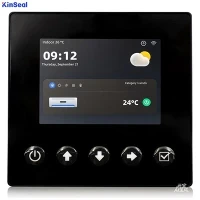


Understanding HMI
HMI is a frequently used component in the automation and manufacturing industry - but what does it do and why? Let's follow up our Preventive Maintenance post by highlighting the key components that monitor the vitality of manufacturing equipment and systems.
What is Human Machine Interface?
HMI stands for Human Machine Interface.HMI is an interface that allows human-machine interaction. It is an information gateway. Previously, warning lights and alarms were common, with a range of input options from toggles and switches to keypads and joysticks. Now, fully programmable touchscreens are becoming the industry standard and for good reason. From the touchscreen of your smartphone to the dashboard of your vehicle, you interact with an HMI every day. We will continue to focus on manufacturing-specific HMIs.
What does it do?
In a nutshell, various sensors collect valuable equipment data, which is then processed by a PLC (Programmable Logic Controller.) The HMI presents this data visually and allows the user to respond accordingly.
Benefits of HMI:
HMI offers a number of benefits that improve safety, efficiency and cost.
Here are the main reasons for implementing HMI:
Insight: We don't take the phrase "knowledge is power" lightly. The system can provide clues as to what is going wrong before the equipment fails. Temperature sensors may indicate overheating. Regular equipment checks may catch notifications in time, but the HMI can receive and record alarms, activate audible alarms, and then send email messages for remote alerts. In addition, the HMI simplifies the monitoring process. All relevant information is displayed in a clear and concise visual layout.
Responsiveness: Instant alerts and remote monitoring capabilities allow 24/7 access to machine vitals and the ability to respond remotely. In some cases, on-site control reduces the need for technicians to physically touch the machine.HMI networks are available in both wired and wireless form to allow remote viewing and control. Off-site adjustments can now be made immediately.
Safety: HMIs give users complete control of inputs from a safe and comfortable location. No longer is it necessary for an individual to enter a hazardous situation for equipment monitoring or simple adjustments. the HMI allows access to comprehensive system wide data without having to be physically near a sensor or switch.
Value: HMI interfaces bring tremendous value to manufacturing through increased safety, better system insight, and improved responsiveness.HMIs can also greatly increase productivity through the same benefits. Valuable data is almost always on the HMI's screen, and if it is not captured and analyzed, it is a wasted opportunity. Through proper utilization, waste can be reduced, production can often be increased, and monitoring can be less labor intensive. Increased efficiency is a driver of cost reduction and a primary motivation for investing in a quality HMI interface.