


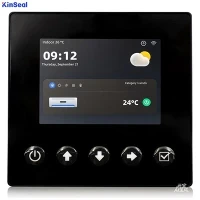


IPCs, known as Industrial Personal Computers (IPCs), support a variety of operating systems to meet the needs of different industries and application scenarios. Specifically, the common operating systems for IPCs include:
1. Windows operating system: Windows operating system is widely used in IPC because of its easy-to-use user interface and rich software support. It can support many professional industrial control software and hardware devices, and can be connected to other computer devices for network connection and data transmission to improve the efficiency of industrial production and automation control.
2. Linux operating system: Linux operating system has high reliability and powerful scalability, can be customized based on the kernel programming, support a variety of programming languages and development tools to achieve complex control and data processing operations. It can also realize the installation and management of device drivers to adapt to a variety of different industrial control equipment. In addition, although the Linux system lacks the friendly graphical interface of Windows, its system stability and security are higher.
3. Android operating system: Android operating system can easily realize the connection and data transmission between industrial control machine and other mobile devices, and support the customized development of various applications, so as to improve the efficiency and intelligence of industrial control and automation.
4. Real-Time Operating System (RTOS): For industrial control applications that require high real-time performance, some real-time operating systems such as VxWorks, QNX, etc. are also widely used. These systems provide predictable response times at the microsecond level for automation and industrial applications that require highly accurate control.
5. Embedded Operating Systems: Embedded operating systems such as Embedded Linux are also widely used in embedded systems that have limited consumption of resources. These operating systems are usually characterized by lightweight and high performance, and are suitable for some scenarios with more demanding resource requirements.
6. Self-developed operating systems: Some industrial computer manufacturers choose to develop their own operating systems in order to better adapt to their own hardware and provide more specialized solutions. These systems can be more closely combined with hardware features to provide better performance and customized features.
To summarize, industrial controllers support a variety of operating systems, the specific choice of which operating system needs to be based on application scenarios, performance requirements, software support and other factors for comprehensive consideration.
Translated with DeepL.com (free version)