


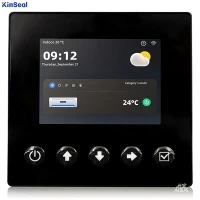


Human Machine Interface (HMI) is an important field in technology, enabling seamless interactions between humans and machines.
With the use of touchscreens, HMIs have revolutionized the way we interact with technology, making it more intuitive and user-friendly.
In the automotive industry, HMIs have become a crucial aspect of vehicles, providing drivers with easy access to crucial information such as speed, fuel levels, and navigation.
In manufacturing, HMIs have proven essential in operating machinery and monitoring production lines, making processes more efficient and reducing downtime.
In the world of consumer electronics, HMIs have become integral to devices such as smartphones, tablets, and smartwatches. These devices offer a range of advanced features and functions, all accessible through intuitive and user-friendly interfaces.
Advancements in AI and machine learning have also brought new applications to HMI technology. Voice-activated assistants and gesture controls are increasingly becoming standard features in modern devices, providing even more seamless and natural interactions between humans and machines.
The future of HMI technology is bright, with continued advancements expected to drive innovations in fields such as healthcare, gaming, and robotics. As we continue to integrate HMIs into more areas of our lives, the potential for more intuitive and natural interactions between humans and machines will only continue to grow.