


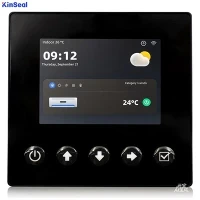


With the continuous advancement of technology, Internet of Things (IoT) technology has become a key driver of industrial automation development. By connecting sensors, devices, machines, and personnel to the internet, IoT enables real-time data collection, processing, and analysis, significantly improving production efficiency, reducing costs, and enhancing production flexibility and sustainability.
1. Data Collection and Monitoring
One of the core aspects of IoT technology is data collection. In industrial automation, sensors and devices can monitor various parameters on the production line in real time, such as temperature, pressure, humidity, and speed. This data is transmitted to a central system for real-time analysis and processing. Through IoT, businesses can monitor production processes in real time, promptly identify and resolve potential issues, thereby reducing downtime and improving production efficiency.
2. Predictive Maintenance
IoT technology enables predictive maintenance. By analyzing data collected from equipment, potential equipment failures and maintenance needs can be predicted. This data-driven maintenance strategy reduces unexpected downtime, extends equipment lifespan, and lowers maintenance costs. For example, by monitoring machine vibration and temperature, bearing wear can be predicted, allowing maintenance to be performed before a failure occurs.
3. Energy Management
IoT technology also plays a significant role in energy management. By installing smart sensors, businesses can monitor energy consumption in real time, such as electricity, water, and natural gas usage. This data can help businesses optimize energy use, reduce waste, and achieve more efficient energy management. Additionally, IoT can be integrated with smart grid technology to enable intelligent energy distribution and scheduling.
4. Supply Chain Optimization
IoT technology can improve supply chain management. By installing sensors on goods and transportation vehicles, businesses can track the location and status of goods in real time, thereby improving logistics efficiency, reducing inventory costs, and enhancing supply chain transparency. Additionally, IoT can help businesses predict market demand and optimize production plans, thereby reducing overproduction and inventory buildup.
5. Automation and Robotics
The integration of IoT technology with automation and robotics opens new opportunities for industrial automation. Through IoT, robots can interact more intelligently with their environment to perform more complex tasks. For example, IoT enables robots to navigate production lines autonomously, automatically identify and process different tasks, thereby improving production efficiency and flexibility.
6. Smart Factories
IoT technology is key to achieving smart factories. Smart factories optimize production processes through highly automated and data-driven decision-making. IoT technology connects all devices and systems within a factory, enabling seamless data flow and real-time analysis. This allows businesses to adjust production plans more flexibly, respond faster to market changes, and improve production efficiency.
7. Safety and Compliance
IoT technology also plays a crucial role in enhancing the safety and compliance of industrial automation. By monitoring production lines and equipment in real time, companies can promptly identify potential safety risks and take measures to prevent accidents. Additionally, IoT technology can help companies track and record key data during production processes to meet regulatory and industry standards.
8. Customer Customization
IoT technology makes customer-customized production possible. By collecting and analyzing customer data, companies can better understand customer needs and achieve more precise market positioning. IoT technology can also enable flexible adjustments to the production process to meet customers' personalized needs, thereby improving customer satisfaction and market competitiveness.
9. Environmental Monitoring and Sustainability
IoT technology also plays an important role in environmental monitoring and sustainability. By installing sensors, companies can monitor factory environmental conditions in real time, such as air quality, noise levels, and emissions. This data can help companies take measures to reduce environmental pollution, improve energy efficiency, and achieve more sustainable production methods.
10. Employee Training and Collaboration
IoT technology can also improve employee training and collaboration. By monitoring production processes in real time, companies can more accurately identify skill gaps among employees and provide targeted training. Additionally, IoT technology can promote cross-departmental and cross-regional collaboration, enhancing team efficiency and innovation capabilities.
In summary, IoT technology is playing an increasingly important role in industrial automation. By connecting devices, sensors, and systems, it enables real-time data collection, analysis, and application, driving the rapid development of industrial automation. As technology continues to advance, the application of IoT in industrial automation will become even more widespread, bringing businesses both new opportunities and challenges.