

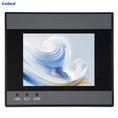
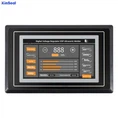


Human-machine interface refers to the field in which people and machines contact or interact with each other in information exchange and function, or the interface refers to the human-machine interface, information exchange, functional contact or mutual influence, which refers to the hard contact and soft touch between people and machines, This joint surface includes not only the direct contact between point, line and surface, but also the action space for long-distance information transmission and control.
Human-machine interface design should consider the following principles:
1. User-centered basic design principles
In the process of system design, designers should grasp the characteristics of users and discover their needs. During the whole development process of the system, the opinions of users should be continuously solicited and users should be consulted. System design decisions must be combined with the user's work and application environment, and the user's requirements for the system must be understood. The best way to do this is to involve real users in development, so that developers can properly understand users' needs and goals, and the system will be more successful.
2. The principle of order
That is, the main interface and its secondary interface of monitoring management and man-machine dialogue are designed according to the order of processing events, the order of access and viewing (such as from the whole to the single item, from the big to the small, from the upper layer to the lower layer, etc.) and the control process flow.
3. Functional principle
That is, according to the specific use function requirements of the object application environment and occasion, various subsystem control types, the parallel processing requirements of the same interface of different management objects, and the simultaneity requirements of multiple dialogue interactions, etc. The human-computer interaction interface such as windows with information and multiple dialogue bars at the same time, so that users can easily distinguish and master the use rules and characteristics of the interactive interface, and improve its friendliness and operability.
4. The principle of consistency
Including the consistency of color, operation area, and text. That is, on the one hand, the interface color, shape, and font are consistent with national, international or industry general standards. On the other hand, the interface color, shape, and font are self-contained, and the colors of different devices and the same design state should be consistent. The consistency of the interface detail art design makes the operator feel comfortable looking at the interface without distracting him. Consistency also reduces operational errors for new operators, or those dealing with problems in an emergency.
5. Frequency principle
That is, the hierarchical order of the human-machine interface and the display position of the dialogue window list are designed according to the frequency of dialogue interaction of the management objects, so as to improve the frequency of monitoring and access dialogues.
6. The principle of importance
That is, according to the importance and global level of the management object in the control system, design the position and prominence of the main and sub menus and dialog windows of the human-machine interface, so as to help the managers to grasp the main and secondary aspects of the control system and implement the control well. Sequence of decisions to achieve optimal scheduling and management.
7. Object-Oriented Principles
That is, according to the identity characteristics and work nature of the operator, design a suitable and friendly human-machine interface. According to their work needs, prompts, guidance and help information should be displayed in pop-up windows, so as to improve the user's interaction level and efficiency.
Human-machine interface, whether it is oriented to on-site controller or oriented to upper-level monitoring and management, there is a close internal relationship between the two, and the on-site devices they monitor and manage are the same, so many on-site device parameters are shared among them. transmitted to each other. The standardized design of human-machine interface should be the future development direction, because it does embody the basic principles of easy, simple and practical, and fully expresses the people-oriented design concept. Various industrial control configuration software and programming tools provide powerful support means for making exquisite human-computer interaction interface, and the larger and more complex the system, the more it can reflect its superiority.